Scotland has a long tradition of folklore, omens, and superstitions, many of which are still spoken about today. From unlucky fishermen to lucky white heather, these beliefs reveal a fascinating side of Scottish history and culture.
While Friday the 13th is known worldwide as an unlucky day, Scotland has its own unique traditions that have shaped daily life for centuries.
Why Is Friday the 13th Considered Unlucky?
The fear of the number 13, known as triskaidekaphobia, is believed to have developed during the Middle Ages. One common explanation links it to the Biblical story of the Last Supper, where thirteen individuals sat at the table before the crucifixion of Jesus. Judas Iscariot, often described as the thirteenth guest, later betrayed Christ, cementing the number’s negative association.
Friday itself was also considered unlucky in some Christian traditions, making the combination of Friday and the number 13 particularly ominous.
Although this superstition is international, it has long been acknowledged in Scotland too.
Here are some more local superstitions for you.
Why Scottish Fishermen Feared Ministers
In parts of northern Scotland, fishermen once believed it was a bad omen to encounter a minister on their way to sea. Fishing was already a dangerous occupation, and any unusual sign could be interpreted as a warning.
Seeing a minister often associated with funerals and death was thought to predict disaster or an unsuccessful trip. As a result, some fishermen would delay departure or even cancel their voyage entirely if this happened.
Are Black Cats Good or Bad Luck in Scotland?
Across much of Europe, black cats are considered symbols of bad luck, especially if one crosses your path. In Scotland, however, the story is slightly different.
In some Scottish traditions, a strange black cat arriving at your home was believed to signal prosperity and good fortune. Sailors’ wives were even known to keep black cats in their homes to ensure their husbands returned safely from sea.
The Meaning of “Black Sheep of the Family”
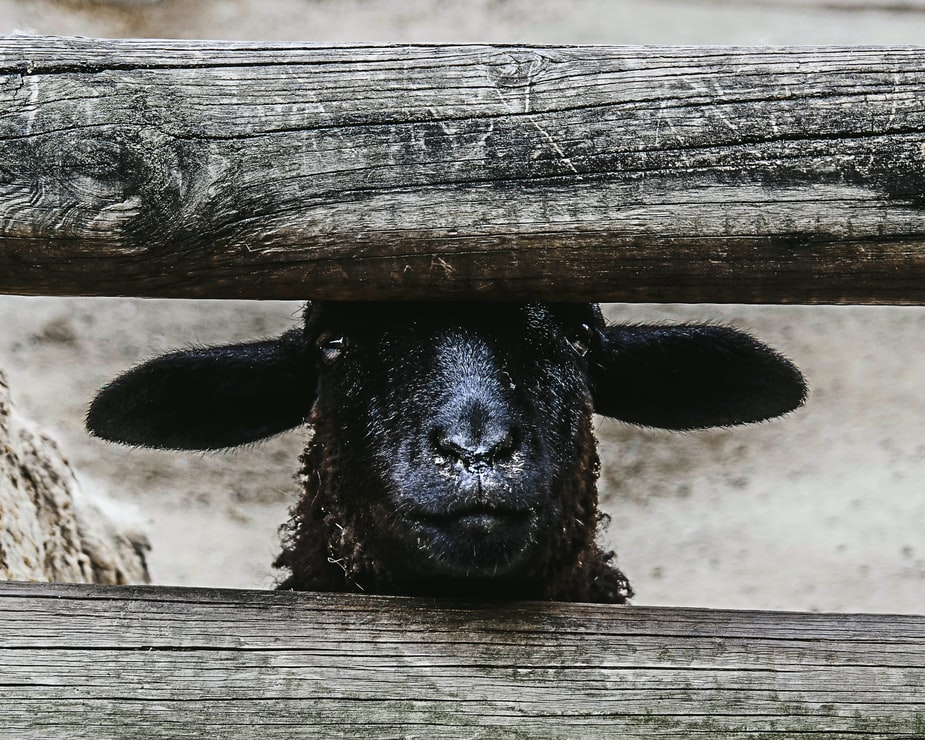
The phrase “black sheep of the family” is widely used today, but its origins are rooted in agricultural superstition.
In northern Scotland, the birth of a black lamb was once believed to bring misfortune to a farmer’s flock. If twin lambs were born with black faces, it was said to predict a poor lambing season ahead.
The Meaning of White Heather in Scottish Tradition
While purple heather covers hillsides across Scotland, white heather is far less common and traditionally considered lucky.
According to Scottish legend, Malvina, the daughter of the legendary poet Ossian, wept upon learning that her lover had died in battle. Her tears are said to have fallen upon the purple heather, turning it white. She declared that, although it symbolised her sorrow, white heather would bring good fortune to those who found it.
For centuries, Scottish clansmen carried white heather into battle for protection. Even today, it is often included in Scottish weddings, worn in a groom’s buttonhole or added to a bride’s bouquet as a symbol of luck and happiness.
Why Opening an Umbrella Indoors Is Considered Unlucky
The superstition of opening an umbrella indoors is believed to date back to ancient Egypt, where umbrellas were used to shield people from the sun rather than rain. Opening one inside was thought to insult the sun god.
In Scotland, however, the belief has taken on a life of its own. Given the country’s famously unpredictable weather, umbrellas are a necessity, but opening one indoors is still likely to prompt someone to warn, “That’s bad luck!”
Discover Scotland’s Stories in Person
Many of these superstitions are still shared today by local guides across Scotland. On our guided day tours from Edinburgh, you’ll hear stories about folklore, clan traditions, and cultural beliefs that have shaped the country for centuries. Explore our Scotland day tours to experience these stories for yourself.
Planning a Scotland Day Trip? Let Us Help
Tell us what you’re interested in and when you’re planning to visit. We’ll help you find the right day trip from Edinburgh.